SustainabilityJohn Holland

Sustainability

The projects we’re delivering today will define tomorrow and be here for generations to come.


At John Holland, sustainability is about the bigger picture.

Our Environmental, Social and Governance (ESG) strategy frames that big picture, ensuring environmental resilience, social progress and economic health are key components of our decisions.

From reducing carbon emissions to creating positive outcomes for our people and communities, sustainability and ESG principles are helping shape the way we work.

Healthy people. Healthy planet. 
Healthy future.

Whether piloting new materials, measuring our impact or finding smarter ways to work, we’re continually looking for opportunities to improve how we design, build and operate. 

We’re proud to have signed Australia’s first sustainability-linked bonding facility, linking KPIs for sustainable energy use, adoption of alternative fuels, safety and social procurement to our financing. It's a tangible example of putting our money where our mouth is.

As part of our response to climate risk, we’re continually looking at new and innovative ways to reduce our energy consumption and carbon emissions, and we’re committed to a Net Zero carbon future.

Our approach to sustainability focuses on four key areas.

Our approach to sustainability focuses on four key areas.

Leadership and strategy

We prioritise integrity, ethics and transparency in the way we conduct ourselves to ensure the best outcomes for our people and customers.

As we adapt to changing operating environments, we’re also focused on smart engineering and technology solutions that deliver real and lasting value for all our stakeholders.

Built and natural environment

The way we design, build and maintain infrastructure has a lasting impact on communities and the environment. We’re committed to reducing greenhouse gas emissions, conserving energy and water, using resources responsibly, and minimising waste to support a more sustainable future.

Our people

Attracting and retaining the best industry talent takes effort, and we work hard to create a rewarding environment in which our people can thrive and grow.

We look after our people with a safe and inclusive workplace, innovative training, meaningful career development opportunities, and a supportive culture. We are a founding member of the Supply Chain Sustainability School and actively encourage all employees to participate in the additional learning opportunities provided by the school and our Training Academy.

Our community and partnerships

We think of local communities not just as stakeholders, but partners.

On every project, we strive to leave a lasting community legacy – be it through skills training and job creation for locals, investing in community projects like Landcare, supporting community-based not-for-profits, or getting involved with schools in career days and STEM (Science, Technology, Engineering and Mathematics) activities.

We continuously monitor modern slavery risks in our supply chains. We liaise with our specialists in procurement, people, health, safety and environment, as well as representatives in key operational areas and joint ventures, to ensure everyone is above board.

Green and gold

Green and gold

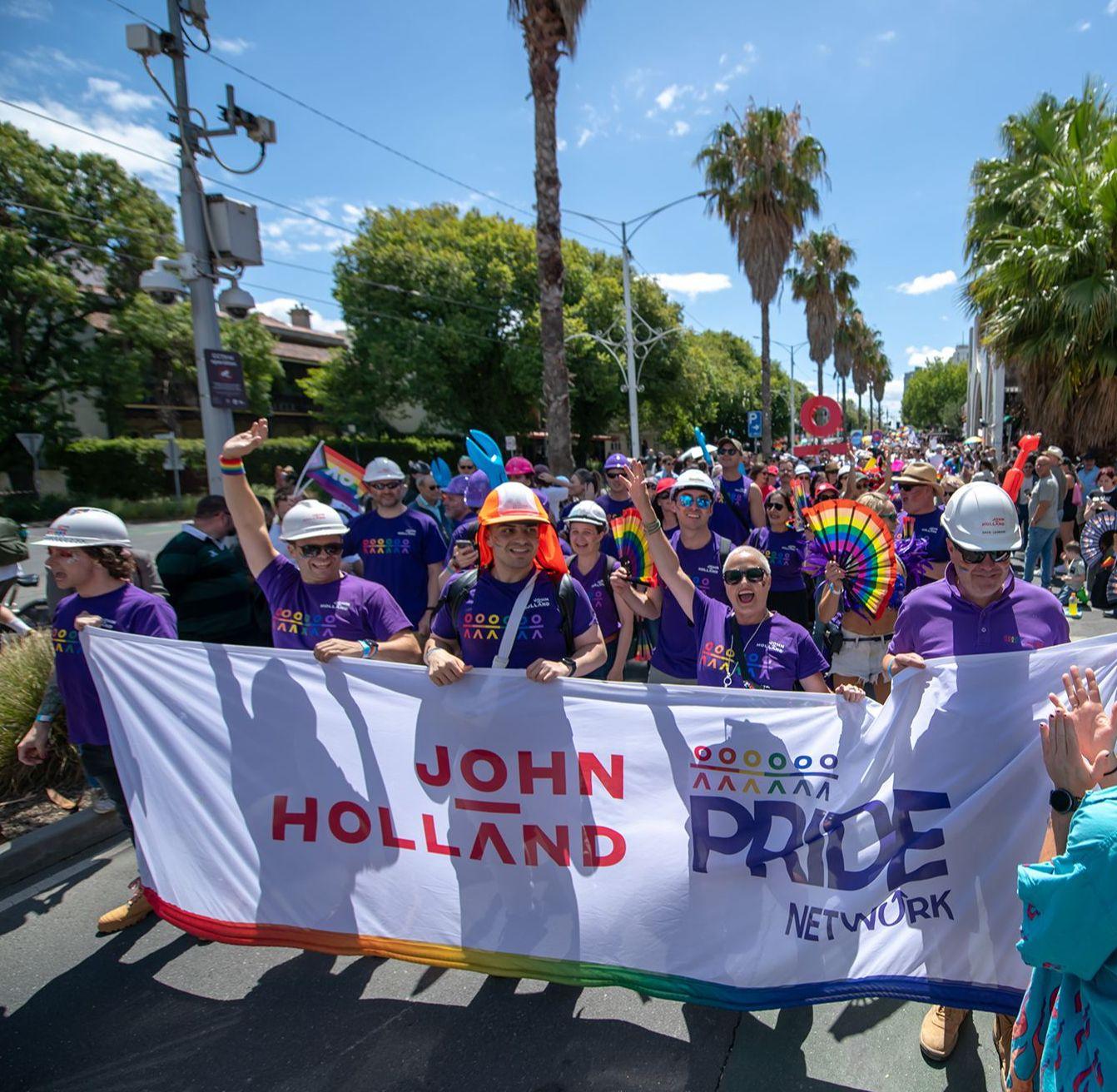
People of all genders, ages and cultural backgrounds are welcomed and valued at John Holland, including anyone who identifies as LGBTQ+, has a disability, and/or is of Aboriginal or Torres Strait Islander background.

In fact, our people are key drivers of our diversity and inclusion policies through their direct involvement in our Employee Reference Groups (ERGs): the Pride network, Celebrate Women network, Ability network, GROW network and the Reconciliation Action Plan working group.

Measuring and reducing emissions

Measuring and reducing emissions

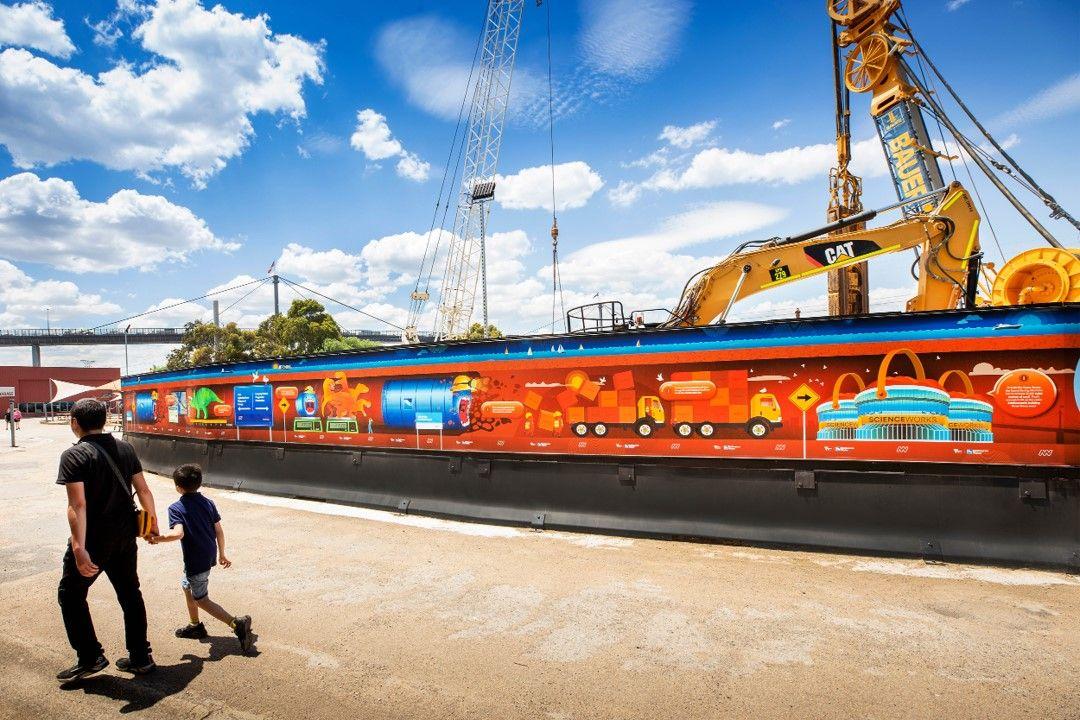
John Holland designed and constructed a duplicate sewer tunnel for Melbourne Water, running beneath the Yarra River from Spotswood to Port Melbourne, and across two constrained and sensitive sites: Melbourne’s Scienceworks museum and Westgate Park.

We set an ambitious sustainability goal for the project, pursuing independently verified carbon neutrality plus significant social and community outcomes.

And we got there.

The Hobsons Bay sewer main duplication project became the first independently verified net-zero carbon infrastructure project in Australia, setting a new benchmark for the water industry.

In achieving this goal, we established a replicable model for sustainable infrastructure delivery, showing that net-zero carbon construction is achievable while also generating meaningful social value.

Sustainability works

Sustainability works

Wherever we can, we aim to minimise our footprint. An example is our use of low-carbon concrete on Sydney’s $4.6 billion Rozelle Interchange, using recycled crushed glass sand and plastic fibres as a sustainable alternative to virgin materials wherever possible.

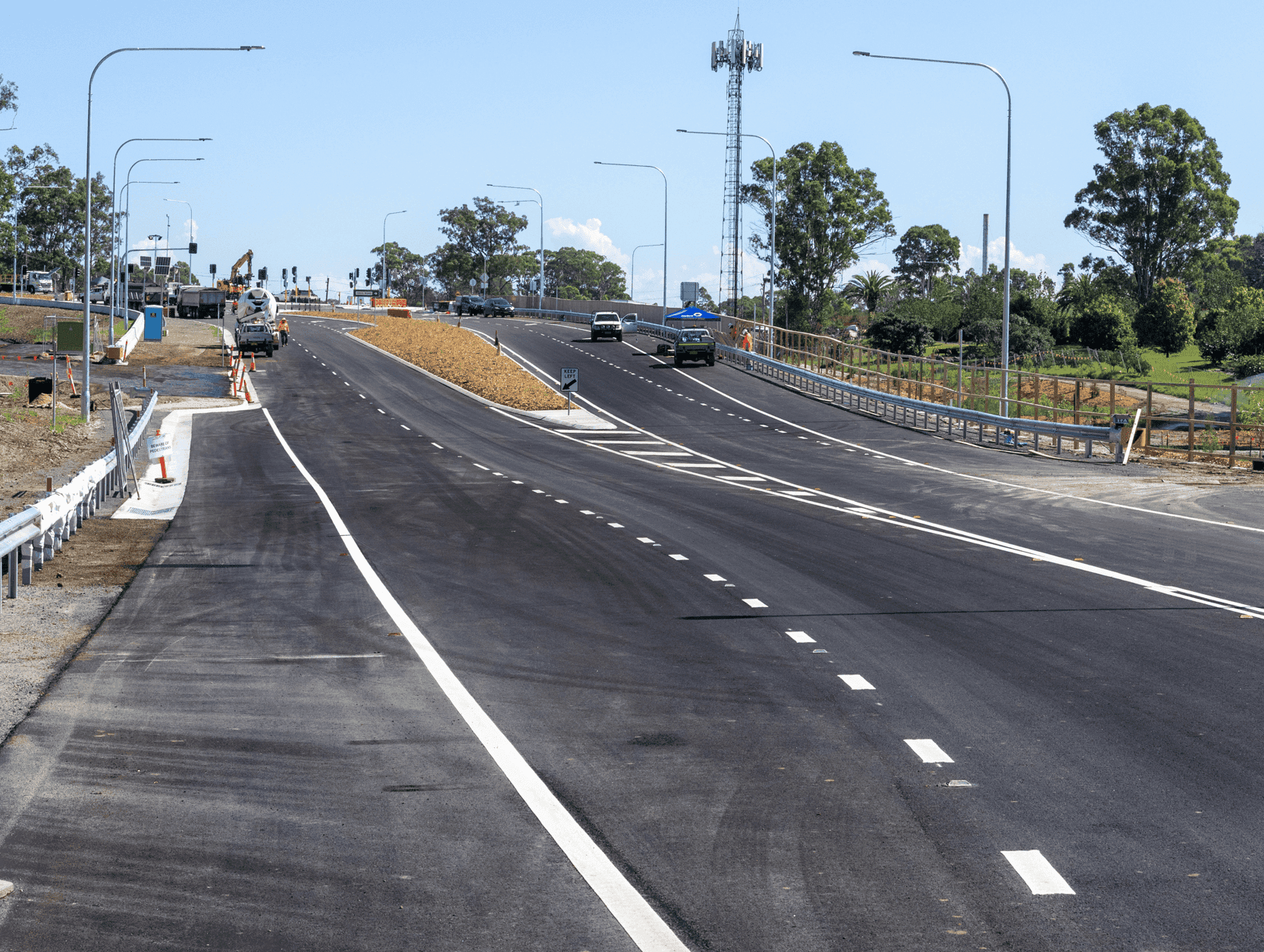
More recently on the M7-M12 Interchange project, our team led an Australian-first initiative to address the increasing problem caused by solar panel waste. In collaboration with PV Industries and Fulton Hogan, we used crushed discarded solar panel glass instead of quarried sand in asphalt production and diverted significant solar panel waste from landfill.

The product met rigorous safety, durability and performance standards required for road construction materials, and won the approval of our customer, Transport for NSW. 

Building nature resilience

Building nature resilience

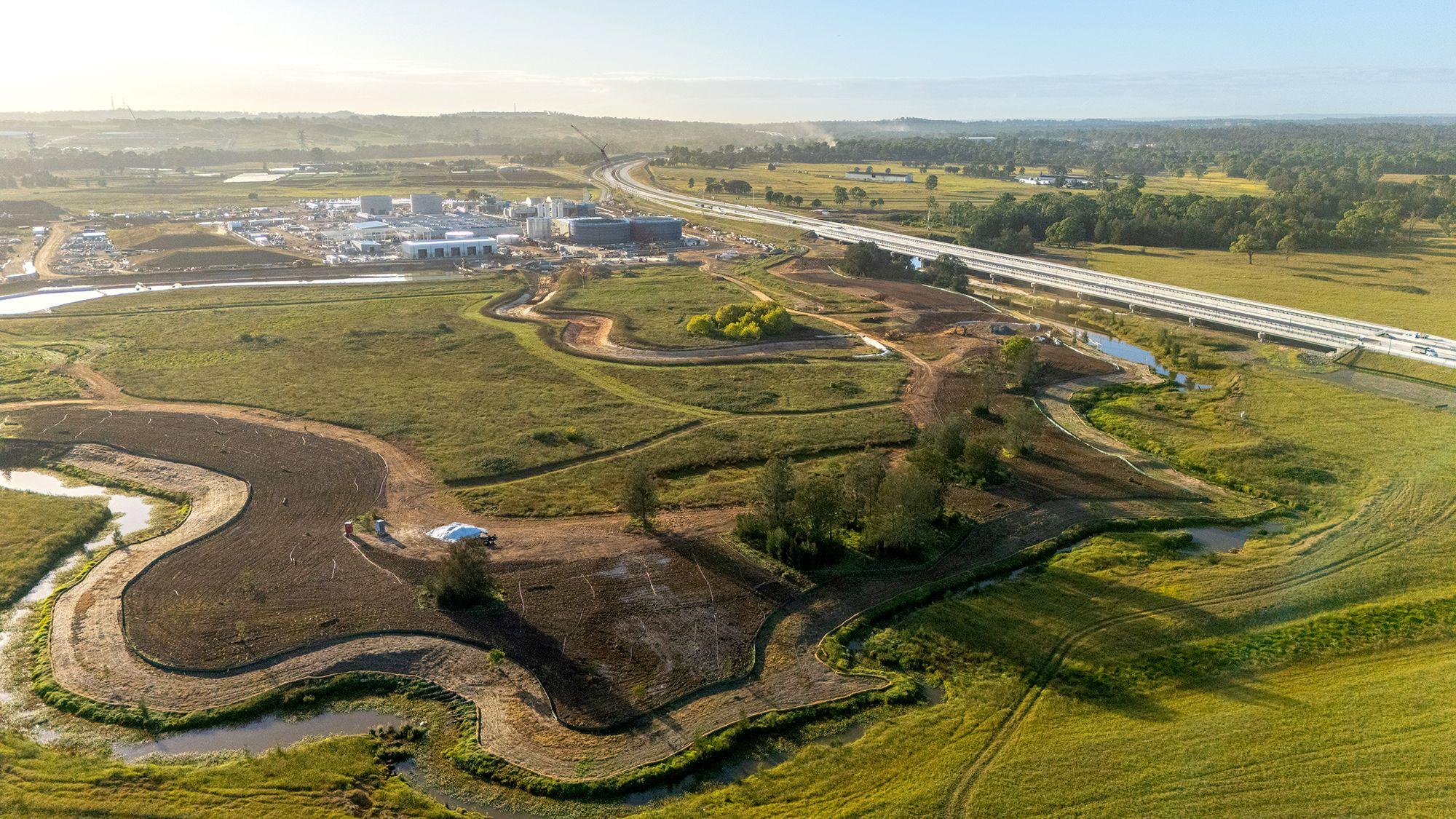
Our team delivering the Badu Yarragul Water Resource Recovery Facility in Sydney’s west undertook extensive restoration of the nature corridor area adjacent to Wianamatta-South Creek, revegetating approximately 57,000m² of corridor through a combination of direct planting and hydroseeding. It amounted to over 304,843 native plants!

Erosion control measures – including coir logs, jute mesh and reshaped creek banks – were deployed at key locations to stabilise disturbed areas and improve water movement.

The project also reconnected an on-site billabong by removing an artificial bund wall, returning it to its natural state and enhancing Western Sydney’s green spine.

ACKNOWLEDGEMENT OF COUNTRY

John Holland pays respect to the Traditional Owners and Custodians of the land on which we work and live, and their connections to land, sea and community. We pay our respect to their Elders past and present and extend that respect to all First Nations peoples today.