ReconciliationJohn Holland

Reconciliation

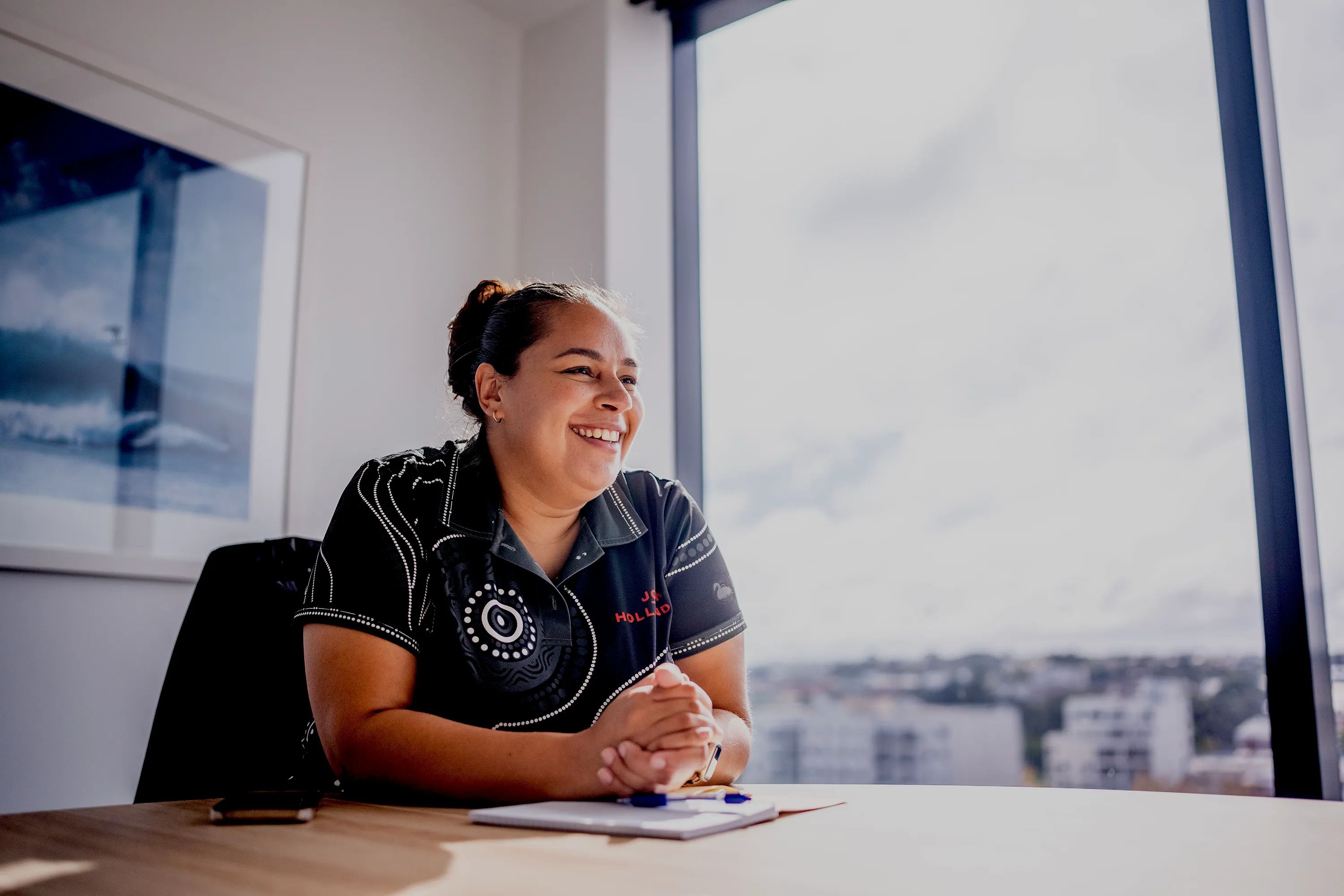
Every day, many of John Holland people interact with Country. Our work stretches across a vast geographic area, touching diverse First Nations communities from the inner city to some of the most remote parts of the nation.

This places us in a unique position to work with and learn from the expertise and knowledge of First Nations peoples and businesses. It also enables us to leave a positive legacy for future generations Aboriginal and Torres Strait Islander peoples.

John Holland has developed a Reconciliation Holding Statement while our next Reconciliation Action Plan (RAP) is being developed. A particular focus is providing employment opportunities across our business and strengthening First Nations business capability.

Our Reconciliation Advisory and Action Committee

In August 2025, we refreshed our Reconciliation Advisory and Action Committee (RAAC) which is now structured into two aligned groups — one focused on strategic leadership and the other on delivery. Both groups include First Nations employees and are supported by the Inclusion & Diversity team. The RAAC is purpose-driven, with a clear mandate to embed reconciliation across the business and champion cultural learning, community engagement, and accountability.


John Holland’s Yarning Circle

A culturally safe space launched in 2025 for Aboriginal and Torres Strait Islander employees to connect, share, and influence. It honours the tradition of yarning as a way of building trust, strengthening relationships, and fostering collective wisdom. The Yarning Circle helps to evolve and implement reconciliation initiatives across the business, understanding lived experience and amplifying First Nations voices. The group offers critical insights into how policies and practices impact cultural safety, belonging, and lived experience at John Holland.

Embedding culture

Embedding culture

We have a lot to learn from First Nations peoples, and our work is stronger when we listen to and respect the deep knowledge of the Traditional Owners of Australia. More than 500 of our people so far have completed cultural learning, and we’re committed to growing that number to build a better understanding of Aboriginal and Torres Strait Islander cultures.

We partner with First Nations businesses on our projects and help create long term, sustainable opportunities for them. These relationships also help us deepen our understanding of culture, land and community, so the places we build are welcoming, inclusive and culturally safe for First Nations peoples.

Our Reconciliation Action Plan sets out the practical steps we’re taking and the goals we’re working towards.

Actions speak volumes

Education is one of the most significant ways to increase First Nations employment in our sector. It’s a foot in the door – often the first step on the career ladder – and we’ve seen first-hand the difference it makes.

That’s why we've partnered with education stakeholders such as Western Sydney University, Aboriginal Education Consultative Group (AECG) and Central Queensland University, to retain First Nations students in education and support career advancement.

By contributing to scholarship funds and providing paid work experience, we’ve helped pave the way for success post-graduation – arming students with the skills to take on the job market with a confidence that speaks volumes.

Celebrating cultural identity and heritage

On the Queensland Train Manufacturing Project, cultural connection is embedded into the project’s identity, ensuring Butchulla culture is visible, respected and enduring. This is expressed through five original artworks by Butchulla artist and First Nations team member Joel Barney, reflecting his lived experience.

Other connections include a permanent façade artwork by internationally renowned Butchulla artist, Fiona Foley, and prominent “We Are Standing on Butchulla Country” acknowledgement throughout the facility. These features ensure Butchulla language, stories and identity are woven into the life of the infrastructure.

ACKNOWLEDGEMENT OF COUNTRY

John Holland pays respect to the Traditional Owners and Custodians of the land on which we work and live, and their connections to land, sea and community. We pay our respect to their Elders past and present and extend that respect to all First Nations peoples today.